Planning, coordination with your water system, device selection, piping and system modifications, then install, initial test, and certification. We tailor each job to the customer's property, schedule, and operations.
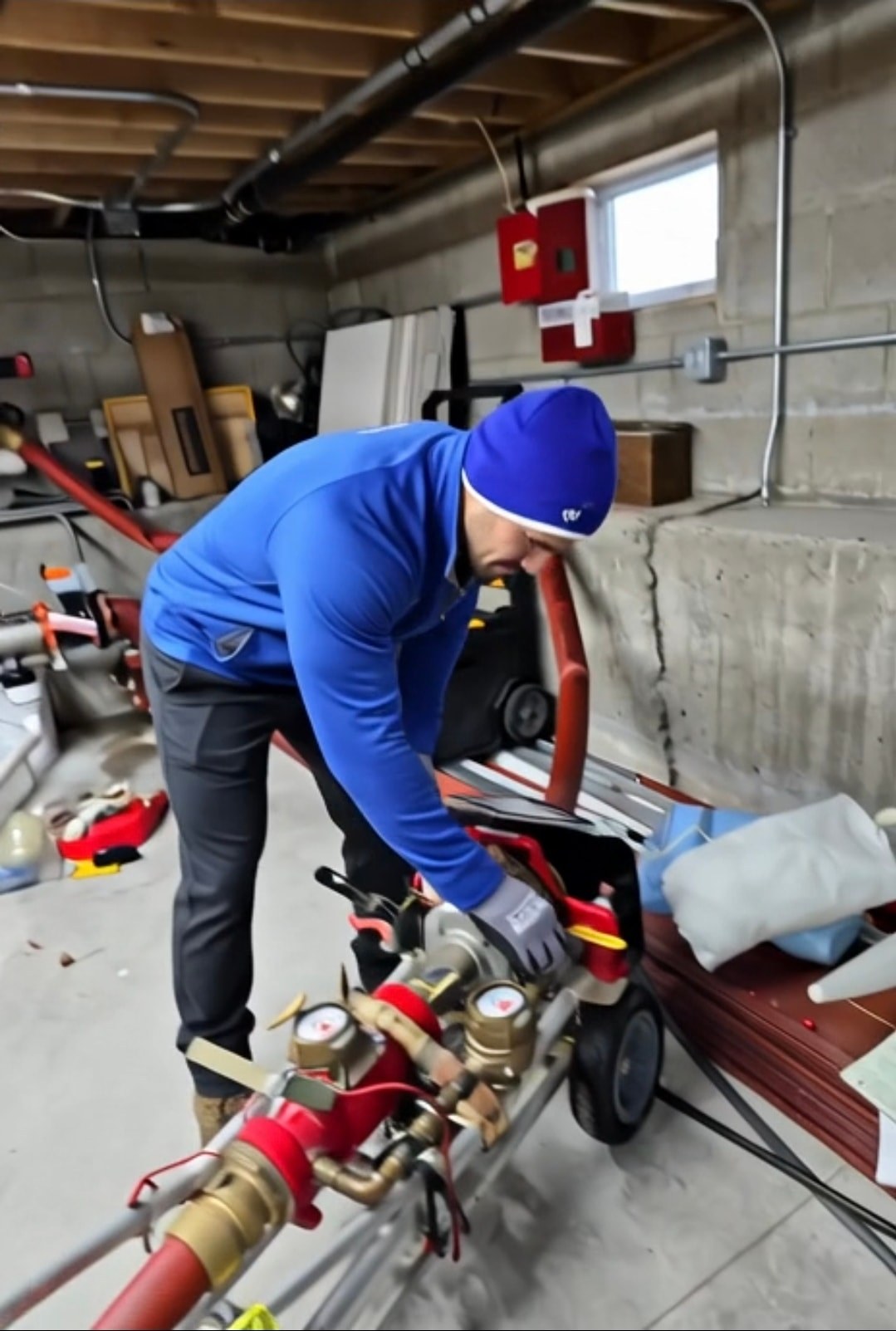
Pipe Doctor installs backflow preventers — including RPZ (reduced pressure zone) and DCVA assemblies — then performs the initial test and handles the paperwork and filing. Cert #A5235. We do not use a one-size-fits-all layout. The device, the piping, and the schedule are tailored to each customer.
We look at the meter or hazard, line size, available space, drain path, freeze exposure, and how the building has to stay in operation. That survey is what the installation plan is built on.
We coordinate with the water purveyor and the inspector — permits, the jurisdiction's approved device list, and filing. That includes NWWSD, Toledo, Holland, Oregon, Perrysburg, Maumee, and other systems we already serve.
We install the assembly, make the piping and system changes the job requires, perform the initial test, and handle the paperwork and filing. You receive a written report.
The right preventer depends on the hazard and what your city or water district requires. We will tell you which one you need. Many commercial properties in Toledo and Maumee need an RPZ at the meter (containment). Isolation preventers sit at a specific hazard inside the building, such as an irrigation system, a boiler, a pool fill, a fire line, or a water-backup sump pump.
The assembly many commercial containment jobs require. We install 1-1/2 inch RPZ assemblies, and we plan each job around the actual line size on the property. An RPZ must be able to discharge — the drain path is part of the plan.
A double-check valve assembly is another common type. We also install 1-1/2 inch double-check assemblies. The water system's approved device list and the hazard decide whether a DCVA is allowed.
Some isolation applications use a PVB (pressure vacuum breaker) or another approved preventer. We select from what the jurisdiction allows for that hazard — we do not pick a device that will fail inspection.
Installation is rarely “set the assembly and leave.” The surrounding system usually has to be modified so the preventer is installed correctly, can be tested, and can be maintained without shutting the property down longer than necessary.
We reroute or resize piping as needed so the assembly sits in an accessible, code-compliant location.
An RPZ can discharge water. The drain path is planned with the site survey so discharge has somewhere safe to go.
Where the assembly is exposed to freezing weather, the plan can include an enclosure and heat so the device is protected.
When the building cannot lose water for long, we can plan a bypass so work is done with as little interruption as possible.
Containment at the meter is one job. Isolation on a fire line, irrigation system, or boiler is another. We plan the application you actually have.
Access hours, tenants, production, and shutdown windows are part of the plan — not an afterthought.
After the install we perform the initial test and certification and handle the paperwork and filing. Annual testing can be scheduled from there — members of the Service Club receive the annual backflow test when the city requires one. Backflow testing → · Get Exclusivity →
Request an install consultation online. Phones are busy — that is the fastest way to get on the schedule. We review every request and follow up to plan the visit.
Office 419-877-2833 · 24/7 emergency 419-509-0766